Showing posts with label Representation. Show all posts
Showing posts with label Representation. Show all posts
Sunday, 16 December 2012
Cranford Essay
Class and status within this clip is clear to see, because of the contrast between characters, what they wear, and which location they belong in.
It is easiest to see within the Mise En Scene as the clothing of the characters differs depending on their class. Harry, a lower class child, is wearing scruffy clothes, and when a two shot between him and Mr Carter occurs, their outfits juxtapose due to the rich, formal outfit of the higher class sir.
Low key lighting is used at the beginning of the clip around Harry, to emphasize his unhappy state, due to the fact they are poor. The contrast between the shack and the manor is shown through the master shots; the shack covered with foliage versus the manor surrounded by by space to show its size. The interior of the shack is bare and the dialogue is the focus, not the interior , whereas in the office, the master shot emphasizes its status.
Harry looks onto the house through the trees, as the house is shrouded by branches. This shows he isn't supposed to be there due to the fact he doesn't fit in with the location, as he belongs in the small, dark, broken shack. When Harry sneaks up to the greenhouse, a shot from inside the greenhouse is used to show he is looking in. This reverse style shot is used to show he is an outsider and doesn't belong inside the wealthy establishment.
There is also a contrast between Harry's mother and the Ladies of the Manor who sit in horse and carriages. Harry's mother barely says a word whereas the ladies in carriages are quite vocal and loud with laughter and happiness. This gives the impression that people of a lower class are generally unhappier due to the fact they don't have a satisfying life; whereas richer people enjoy life because they are wealthy and of a higher social status.
Sound is also key in this clip as the dialogue also represents the divide between lower and higher classes. 'Appy birthday 'Arry' shows the informality and lack of pronunciation within the lower class father's speech, indicating lack of education and schooling. Whereas the well spoken Lady of the Manor indicates wealthier people tend to speak in a posh way in comparison to the lower class characters. A diegetic door squeak is also heard, which shows the poor conditions they live in, and they don't have any money to fix the door or make their house more homely. The diegetic rustling and bird sounds add the the fact they live in a secluded area, symbolizing the fact they are the only poor characters around, as the Manor is full of posh, well respected people.
No non-diegetic music is played when we are inside the poorer household, to focus on the dialogue and action of the characters. It also creates a sad, depressing atmosphere as it is paralleled to the dark, low-key lighting of the scene. However, when we are inside the greenhouse with Harry, exotic and high-pitched music is heard to show how unusual it is for him to be there, as it isn't his natural scenery. The non-diegetic music then continues to be happy when the marquee is being assembled, and this indicates Harry is happier having a job for a well respected household.
Throughout the clip, Harry looks up to everyone and low-angled camera shots are used to show what little status he has is the world. High-angled shots are used when focusing on Harry's father, as in the household he has the power. Shot/reverse shots are used during their conversation to emphasize what they are saying and their reactions to the topic of the conversation.
When Harry is in the Office, different levels are used to show the difference in status, as Harry is sat in the chair and Mr Carter is stood up, towering over him; although not in a condescending way as the audience gets the impression he feels sorry of the boy, as he gives him bread and a drink.

Cranford - Class and Status
 Mise en scene:
Harry
scruffy clothes
dark small house
bare feet
low key lighting
scruffy clothes
dark small house
bare feet
low key lighting
Mr Carter
expensive boots
cane
nice office
Lady of manor
white extravagant dress

Ladies in carriages
curled hair, expensive dresses
Man on horse
ladies all cooing to him
top hat
people have heard of himrespectable
top hat
people have heard of himrespectable
The mise-en-scene in this clip reveals a contrast between rich and poor people. The poor people are seen to be living in the forest and wear dark, scruffy clothes. In contrast to this, the rich are dressed in higher class clothing. Focusing on Harry and the older man, he is shown to be a lower-class boy with little knowledge and no formal schooling. The dark, dingy lighting juxtaposes with the older man, who has clean and sophisticated clothes. The older man, Mr Carter, pays the boy and as the boy eats the bread in the office, he is seen to be sympathetic towards Harry.
Sound:
birds and rustling in the woods
poor family live out of the way
dialogue 'Appy birthday 'Arry' indicates non RP speech
door squeaks = run down cottage
heavy depressing music
music when dad rises indicated he hold the power
when no dialogue, indicates depressing
music when boy giddy= emotional
music when dad rises indicated he hold the power
when no dialogue, indicates depressing
music when boy giddy= emotional
horses and well spoken Lady of the manor indicate wealth
music upbeat when work commences on marquee
When we are first introduced to Harry, non-diegetic sound is heavy and depressing, this represents the class of the boy, showing that he does not have a happy or fulfilling life at this young age. The door squeaking when he arrives home indicates that his family do not have a wealthy lifestyle.
When the boy enters the greenhouse, the music is of a higher pitch which could indicate the higher status of the owners of the greenhouse.
The viewer is then introduced to the sound of heavy footsteps giving us the impression that someone of higher status is approaching and this creates tension.
Camera:
When we are first introduced to Harry, non-diegetic sound is heavy and depressing, this represents the class of the boy, showing that he does not have a happy or fulfilling life at this young age. The door squeaking when he arrives home indicates that his family do not have a wealthy lifestyle.
When the boy enters the greenhouse, the music is of a higher pitch which could indicate the higher status of the owners of the greenhouse.
The viewer is then introduced to the sound of heavy footsteps giving us the impression that someone of higher status is approaching and this creates tension.
Camera:
can't see the house in full view, hidden by trees shows Harry shouldn't be there
camera moves with and focuses on Harry, shows he's important,
over the shoulder shot of father telling Harry off
camera shows Harry looking up to all characters
mid/long shot of cramped room
zooms in on boots, showing how grateful he is for them
mid shot of Harry alone in dark
house is surrounded by leaves and shot through the window shows he is an outsider
Mr Carter's boots juxtapose with Harry shoes
two shot shows the differences between the two
high angle of Mr Carter shows his status
Lady on steps = status
master shot of doctor on horse implies he is important
In this clip, the camera angles show class and status in a variety of ways. The juxtaposition of the shack and the manor is shown through the master shots; the shack covered with foliage versus the manor surrounded by by space to show its size. The interior of the shack is bare and the dialogue is the focus, not the interior , whereas in the office, the master shot emphasizes its status. A two shot of the pair shows the clear differences in class and status. The camera follows the work of the outdoor workers to show manual labour compared to the lords and ladies in the carriages who are doing nothing to prepare for the event.
Editing:
The editing in this clip is continuity editing to create a sense of realism. The conversation between Harry and his father is carried out using shot reverse shots which illustrates the father's harsh reaction to his son wanting to learn.
The cutting between the shack, the greenhouse and the manor activities reveals how the class of the characters is closely connected to the locations where they live or work. Many uses of eyeline match and point of view shots are used when the focus in on Harry, indicating that he likes the boots and longs for the bunch of grapes but restrains himself; he is accustomed at the young age of ten to accept disappointment.
Wednesday, 5 December 2012
Sexuality
Is the sexuality of the characters easily identifiable?
We can see that Maude is constantly staring and the other woman, and we can see she has feelings other than friendship towards her. At the beginning of th clip the two girls are standing, facing the mirror and Maude is stood in the background, half hidden by the other girl, this shows she can't show her feelings, but seeing the reflection of her and the other girl in the mirror is something she desires as they are together. When she is painting the other woman asleep, the camera zooms in on her face and expressions, then cuts to show us what she is looking at; her breasts. This leads us to believe; Maude is a lesbian who has to hide her feelings as they are not seen as 'right' in society. At the beginning of the clip the two girls are standing, facing the mirror and Maude is stood in the background, half hidden by the other girl, this shows she can't show her feelings, but seeing the reflection of her and the other girl in the mirror is something she desires as they are together. It is unsure whether the other girl returns the feelings for her also, as the camera never shows us her thoughts of feelings as the protagonist is Maude. Also, towards the end of the clip, there is a scene in which the other girl is undressing and it I in slow motion to emphasize the action and make it more seductive. The camera then cuts to the lesbians face to show she is watching.
Because this clip focuses on Maude's feelings for the other girl it leads us to believe that the feelings she has consumes her and takes up most of her life. We also hear her talking in the non-diegetic voice over and this allows us to see her thoughts as they can’t she can’t be open in society. A sound bridge of the voiceover is also used to show the clip is centred on her because this is her life. When she is painting the girl and the paint drips, it shows the lack of control she has over her feelings and the fact it is beginning to affect her life. Red also has connotations of love, as well as danger, so these feelings could begin to shape and define her life and who she is.
We can see that Maude is constantly staring and the other woman, and we can see she has feelings other than friendship towards her. At the beginning of th clip the two girls are standing, facing the mirror and Maude is stood in the background, half hidden by the other girl, this shows she can't show her feelings, but seeing the reflection of her and the other girl in the mirror is something she desires as they are together. When she is painting the other woman asleep, the camera zooms in on her face and expressions, then cuts to show us what she is looking at; her breasts. This leads us to believe; Maude is a lesbian who has to hide her feelings as they are not seen as 'right' in society. At the beginning of the clip the two girls are standing, facing the mirror and Maude is stood in the background, half hidden by the other girl, this shows she can't show her feelings, but seeing the reflection of her and the other girl in the mirror is something she desires as they are together. It is unsure whether the other girl returns the feelings for her also, as the camera never shows us her thoughts of feelings as the protagonist is Maude. Also, towards the end of the clip, there is a scene in which the other girl is undressing and it I in slow motion to emphasize the action and make it more seductive. The camera then cuts to the lesbians face to show she is watching.
Because this clip focuses on Maude's feelings for the other girl it leads us to believe that the feelings she has consumes her and takes up most of her life. We also hear her talking in the non-diegetic voice over and this allows us to see her thoughts as they can’t she can’t be open in society. A sound bridge of the voiceover is also used to show the clip is centred on her because this is her life. When she is painting the girl and the paint drips, it shows the lack of control she has over her feelings and the fact it is beginning to affect her life. Red also has connotations of love, as well as danger, so these feelings could begin to shape and define her life and who she is.
Are particular sexualities seen as more powerful, better, normal? If so, how?
In this clip, as it is set in the past, we see that it is not seen as normal for girls to have feelings for other girls, as it isn’t seen as the normal way to fall in love. The man in this clip is adamant that Maude should marry him as the other girl “must think we’re in love with on another” as this is a conventional relationship, that somehow benefits them both, although we don’t find out why as it doesn’t explain this is the clip.
What message is the clip aiming to portray about sexuality?
In this clip, i think sexuality is meant to be portrayed as something you can't control, as well as something people have to hide because of their circumstances and situations. For example, when the man puts his hand over Maude's mouth to keep her from shouting out, this could also represent the fact he doesn’t want Maude to tell the girl she loves her, as it could ruin things or have a bad outcome, so instead he proposes a cover up marriage.
Is the time/ era / context of the clip important or relevant when considering attitudes towards sexuality?
We can see the context of the clip is around the Victorian era, as the women wear old fashioned dresses and hairstyles that we would only find in that time period. Throughout the clip we hear non-diegetic paralleled classical music that enhances the feeling of being in the past along with the setting of the TV show. These contribute to the fact that different sexualities, other than straight, were seen as unusual and wrong because of the society and way people were expected to behave.
Saturday, 1 December 2012
Sexuality in Torchwood
In this scene, Jack asks Ianto out for dinner, although at the beginning of we are not sure that Ianto is actually gay. Despite Jack's flirting and use of words to describe the office (such as "exotic" and "i always get excited in these places"), Ianto changes the subject to avoid talking about the office and this makes us think he might not want to talk about it because it makes him uncomfortable as Jack is gay. However, when Jack asks him to Dinner and a Movie we see Ianto say yes, showing he is in fact gay.
In this clip there is some debate as to whether Jack is gay, as this is when he meets everyone for the first time. His sexuality is unknown, but comments are made about his clothing which leads us to believe he isn't straight. However, because Gwen and the other woman argue that he isn't gay, we see he could be a flirtatious person or he could be confused about his sexuality; especially the line "He'll shag anything if it's gorgeous enough".
Captain Jack; The flirt.
Monday, 19 November 2012
Gender in Sherlock
This clip shows that women can be helpless and this adheres to the stereotype men are in control and are superior to women. This clip shows Mrs Hudson is helpless against the brute force of the men and she can't do anything to save herself. This also adds to the stereotype females are physically and sometimes emotionally or mentally weak.
In contrast to the stereotypical views the first clip suggests, this next clip shows that women can be clever and appear to be something they are not. This clip shows that women can be as good as men as Mrs Hudson manages to help out in the situation by pretending to be crying. This contradicts the original clip as she is in fact helpful and strong in the face of adversity. "Mrs Hudson, leave Baker Street? England would fall." shows that Sherlock and John do need her around and feel she is important in their lives.
In contrast to the stereotypical views the first clip suggests, this next clip shows that women can be clever and appear to be something they are not. This clip shows that women can be as good as men as Mrs Hudson manages to help out in the situation by pretending to be crying. This contradicts the original clip as she is in fact helpful and strong in the face of adversity. "Mrs Hudson, leave Baker Street? England would fall." shows that Sherlock and John do need her around and feel she is important in their lives.
Sunday, 18 November 2012
Hustle - Gender Essay

The things we stereo-typically associate with males and females cloud our judgement on what certain characters are going to be like within television programmes We are first introduced to this clip of Hustle when a posh looking woman enters a boutique shop. We instantly think she is materialistic as she look immaculate and wears posh, expensive clothes and heads straight to the dresses. This conforms to the stereo-typical views that women love to shop and like expensive things. When the camera later sweeps over her body, we can see she is wearing an expensive ring as well as other types of jewellery. This shows she is wealthy and is of a higher class, which could show both the 'modern woman' who works for a living and has an important job, or the 'old-fashioned' housewife who doesn't work, cleans the house and lives off the money of her husband.
We are also introduced to another woman and the male shop assistant. There are high-angled shots used to show the woman is out of place because of what she is wearing, and this is then confirmed when the dress is "a little out of her price range". Over the shoulder shots are used when the shop assistant is talking, as it stresses his importance and power in the scene. We often assume men have more power over women because they are seen as the dominant gender in society. However, the shop assistant isn't exactly a typical male due to his feminine personality and presumed sexuality. When he is talking to the vulnerable client he peers over her to make her feel smaller and uncomfortable. This adheres to the initial conclusion men are superior and can manipulate women by being the dominant gender.

When the scene changes a wipe transition is used along with the sound of a curtain sliding, this enhances the idea women are materialistic and like to shop and buy clothes. When we see the higher class woman again the camera sweeps up her body as she is wearing the dress. She is making emphasized noises that exclaim how much she loves the dress and this conforms to the idea women enjoy shopping and spending money, as well as liking expensive "£2000" dresses. When asking about the price the woman acts in a girly manor by using her hands and smiling a lot. This is typical behaviour we would expect from females and it adds to the portrayal of the character within the clip.
Once the woman has lost her ring we can see she behaves in the way a typical woman would when losing a precious item. She exclaims that her "husband will kill her" upon losing the ring as it's worth a lot of money. She then also talks about a hair-dressing appointment which is something a stereotypical girl would be worried about missing. A hand-held camera and the pace of the editing have been used to show the frantic and worried movements of the woman. When she says the words "Please help me!" and "Please, anything!" it creates the idea women are helpless and need the assistance of a man to help them with things. This adds to the idea males are more superior and are better than women as they often help a 'damsel in distress'.
 When we meet the con-artist who 'finds' the ring we instantly get the impression he is masculine and behaves like a typical male. He doesn't talk in a posh manor as he says things such as "She didn't get that out of a cracker did she"and he chews gum. These actions adhere to what we think most men behave like, as he wants to claim the reward and assert his male dominance over the shop assistant. He also breaks the fourth wall in this scene, which shows he is in control of the situation and can do what he wants. The camera angle juxtaposes with the situation as a high-angled shot in being used when looking at the con-man, when he is in fact more powerful than the shop assistant. This could have been to show that even though the shop assistant should have authority over him, he doesn't because gender and masculinity have come into play. The con-man has natural power over him without trying because of the way he behaves and the things he says.
At the end of the clip we see that the posh woman is too a con artist and she isn't as feminine as we first thought. She seems to be in charge o the situation as she and the male con-artist have managed to get £1500 from the shop assistant. This goes against the stereo-typical views we have of women as males are seen to be the dominant ones, and in this situation the woman isn't helpless and struggling, she is smart and business-like. Overall. this clip both contradicts and adheres to the initial thoughts we have about gender, as women can be both smart and materialistic, and men can be both masculine and powerless.
At the end of the clip we see that the posh woman is too a con artist and she isn't as feminine as we first thought. She seems to be in charge o the situation as she and the male con-artist have managed to get £1500 from the shop assistant. This goes against the stereo-typical views we have of women as males are seen to be the dominant ones, and in this situation the woman isn't helpless and struggling, she is smart and business-like. Overall. this clip both contradicts and adheres to the initial thoughts we have about gender, as women can be both smart and materialistic, and men can be both masculine and powerless.
Saturday, 10 November 2012
Disability - A Touch of Frost
 As an audience, we tend to react in different ways
when we see someone with a disability. Some of us may pity them, some of us
might be shocked because of the severity of their disability or their looks, but most of us have preconceptions that they can't do
anything for themselves and they need looking after.
As an audience, we tend to react in different ways
when we see someone with a disability. Some of us may pity them, some of us
might be shocked because of the severity of their disability or their looks, but most of us have preconceptions that they can't do
anything for themselves and they need looking after.
In 'A touch of Frost' the character of Billy has
Down's syndrome and the clip explores the possibility he knows something to do
with 'Trisha' a girl who has gone missing. We are first introduced to Billy
when he is walking through the woods covered in what looks like his own blood.
The forest around him is dark yet he is well lit, and this gives the audience a
chance to see him and form their first impressions of him. The fact he is
lit up juxtaposes with the dark background and hints at the fact he is
innocent, as light has connotations of being good and holy. However, the
non-diegetic music in the background is mysterious and adds to the eerie
atmosphere, which suggests he has done something wrong. These two examples can be seen as portraying Billy's state of mind, as he is clearly confused and doesn't know what to do. This reinforces the idea that people with disabilities find it hard to think for themselves, and don't have a balanced state of mind.
 Before we fully meet Billy, we are made aware that he is disabled, because of the conversation Frost has with his father. "Mentally subnormal" is a phrase used by Frost, which is then corrected to "Handicapped" by Billy's dad. Frost's use of words shows how most people view disabled people. They treat them differently because they don't think they are 'normal'. A tilted high-angle shot is used in this scene to show their conversation is private and that Frost plans on behaving in a different way because of the delicacy of the situation. Also, because they are talking about Billy, it even reinforces the fact Billy doesn't have any power, as the high-angle shot and their conversation shows his vulnerability. This scene was added into the show, so the audience could form an image of Billy in their mind and come to their own conclusions about his disability. The programme then explores our views and we can see if our first impressions are correct or just stereotypical. We meet Billy's mum and she has a bowl of water and a wash cloth in her hands as she wants to "clean him up" like a mother would do to a child. This adds to the idea people with disabilities are treated like children and can't do things for themselves.
  Lot's of people look down on someone with a disability, because of the fact they think they don't understand simple things. When Frost starts interviewing Billy, he makes him feel inferior buy using a patronizing tone as he acts like he is talking to a child. Billy responds like a child with simple answers such as "I was frightened", and this reinforces the idea that people with Down's syndrome or any other kind of disability are childlike and don't fully understand certain situations. When the camera focuses on Billy, High-angled camera shots are used to look down on him whilst he is sitting on an armchair near to his dad. This shows his lack of importance and power within the scene. No non-diegetic music is played throughout this scene as it builds tension and makes the scene feel more like an interrogation. Frost starts to treat Billy like a suspect as he gets more and more frustrated throughout the scene.
The editing throughout the whole of this clip is slow and no fast paced scenes are used as most of the story takes place in the family's living room. Slow editing is used to build tension within the scenes and conversation as the audience is always waiting to hear and see new information. The editing could also slow to show how people think Billy has trouble understanding people and that his mind doesn't work as fast as people without a disability. However, Billy changes his statement half way through the scene, and this shows us that maybe he knows more than he is letting on, and he is capable of doing and thinking for himself. This contradicts the original stereotype and thoughts people have on disabled people, as Billy may not be as mentally childlike and useless as people expect him to be.
I think this clip both adheres to and contradicts peoples original thoughts on Billy and disability as a whole. We can see the character is treated differently because of his disability, but we can also see that he may not be as harmless and incapable as we think. The overall ideas on disability and whether Billy is as clever as most 'normal' people are, adds to the enigma of the show as we never figure out what is going on in his head and whether he does know anything about the disappearance of Trisha.
I think this clip both adheres to and contradicts peoples original thoughts on Billy and disability as a whole. We can see the character is treated differently because of his disability, but we can also see that he may not be as harmless and incapable as we think. The overall ideas on disability and whether Billy is as clever as most 'normal' people are, adds to the enigma of the show as we never figure out what is going on in his head and whether he does know anything about the disappearance of Trisha.
Wednesday, 24 October 2012
Class and Status - The Street
Class: Social classes can depend on where the citizens live and work, how much they earn and how they behave. 'Working class' and 'Middle class' contrast due to the type of jobs people in each 'class' hold. For example, Doctors are seen as 'Working class' whereas Factory workers are seen as 'Middle class'.
Status: Depending on how high up the social scale you are, depends on what status you hold. Higher ranks or social standing shows how well respected you are in the community and how important you are to the general public.
The Street:

The fact it's called 'The Street' shows that their house isn't posh or majorly expensive, due to the fact they probably can't afford it. This shows they're a middle class family and are probably not very high on the social scale.
At the beginning of the clip we are inside the family's house and we can see it is ordinary and not 'posh' at all. We can see the home belongs to a middle class family as there are simple furnishings and no elaborate decoration you might find in a wealthier home. The mum and dad characters are both wearing scruffy clothes, which shows they're not of a high social class either, as they're not bothered about their appearance. Throughout the house the colour blue can be found (on curtains etc) and the colour blue has connotations of sadness, which suggests they don't have an easy lifestyle where they live due to lack of money, or other problems.
When we are introduced into the programme, the initial shot is through a gap in the door, which shows we have stumbled upon it and aren't meant to be there. The argument is not shielded fully from the children as the little girl can see and hear what's happening. Action shots are used throughout the argument to show which character is speaking, and then what the response from the other character is. Fast paced editing is used to emphasize the argument and how chaotic their lives are.
Soft music is playing the background, and this is contrapuntal as it doesn't fit the argument that is taking place. Diegetic noises of shouting can be heard, which emphasizes the fact they are angry about something and are having a serious row.
This scene then cuts to a shot of the dad manually working with tools on a building site. He looks like a stereotypical builder, but he doesn't look like he enjoys his job due to his expression, and the fact he is using the tools in an angry way. The setting is grey in colour, and this could represent how he finds his job mundane and boring. Several jump cuts and action shots are used as we see him take his hammer down in one shot, and in the next we can see what he is hitting. His job shows he is middle class and not very well respected as a builder is a menial job, and not seen as a well paid profession.
 When the tap bursts in the kitchen, the mother is alerted to this due to the diegetic water rushing sounds that add to the scene. We then see an angle/reverse angle shot when she goes to investigate, and then a high angle shot when she is on the floor trying to battle with the burst pipe. This high angle shot shows how vulnerable she is and how she struggles with life. Fast paced editing is used to show the chaos in their lives as well as the unpredictability and daily struggle.
The character of Peter is introduced when the kitchen tap bursts. We can see he is more professional than the husband due to the fact he is wearing a suit and tie. However, we soon find out they are lovers and she is having an affair. This tells us that they aren't of a high social class as having an affair isn't the type of thing we'd associate with posh, content marriages. They then begin to eat cake, and this adds to the idea of them being middle class and not very posh.
Status: Depending on how high up the social scale you are, depends on what status you hold. Higher ranks or social standing shows how well respected you are in the community and how important you are to the general public.
The Street:
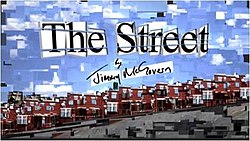
The fact it's called 'The Street' shows that their house isn't posh or majorly expensive, due to the fact they probably can't afford it. This shows they're a middle class family and are probably not very high on the social scale.
At the beginning of the clip we are inside the family's house and we can see it is ordinary and not 'posh' at all. We can see the home belongs to a middle class family as there are simple furnishings and no elaborate decoration you might find in a wealthier home. The mum and dad characters are both wearing scruffy clothes, which shows they're not of a high social class either, as they're not bothered about their appearance. Throughout the house the colour blue can be found (on curtains etc) and the colour blue has connotations of sadness, which suggests they don't have an easy lifestyle where they live due to lack of money, or other problems.
When we are introduced into the programme, the initial shot is through a gap in the door, which shows we have stumbled upon it and aren't meant to be there. The argument is not shielded fully from the children as the little girl can see and hear what's happening. Action shots are used throughout the argument to show which character is speaking, and then what the response from the other character is. Fast paced editing is used to emphasize the argument and how chaotic their lives are.
Soft music is playing the background, and this is contrapuntal as it doesn't fit the argument that is taking place. Diegetic noises of shouting can be heard, which emphasizes the fact they are angry about something and are having a serious row.
This scene then cuts to a shot of the dad manually working with tools on a building site. He looks like a stereotypical builder, but he doesn't look like he enjoys his job due to his expression, and the fact he is using the tools in an angry way. The setting is grey in colour, and this could represent how he finds his job mundane and boring. Several jump cuts and action shots are used as we see him take his hammer down in one shot, and in the next we can see what he is hitting. His job shows he is middle class and not very well respected as a builder is a menial job, and not seen as a well paid profession.
When the tap bursts in the kitchen, the mother is alerted to this due to the diegetic water rushing sounds that add to the scene. We then see an angle/reverse angle shot when she goes to investigate, and then a high angle shot when she is on the floor trying to battle with the burst pipe. This high angle shot shows how vulnerable she is and how she struggles with life. Fast paced editing is used to show the chaos in their lives as well as the unpredictability and daily struggle. The character of Peter is introduced when the kitchen tap bursts. We can see he is more professional than the husband due to the fact he is wearing a suit and tie. However, we soon find out they are lovers and she is having an affair. This tells us that they aren't of a high social class as having an affair isn't the type of thing we'd associate with posh, content marriages. They then begin to eat cake, and this adds to the idea of them being middle class and not very posh.
Tuesday, 23 October 2012
Sherlock Opening Titles - Editing
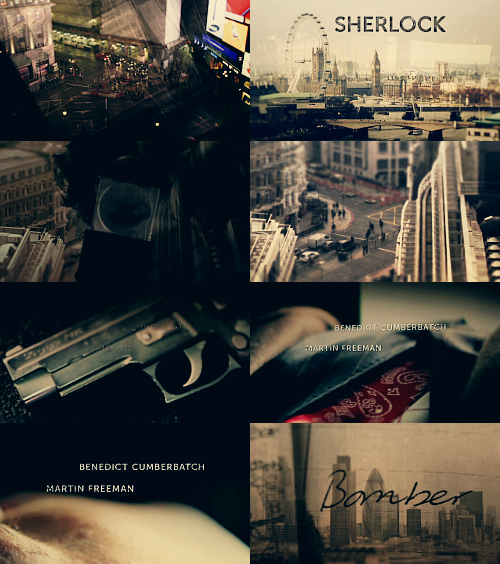
The opening titles begin with sped up filming of London roads, and this jump cuts to a higher angle camera shot of the same scene. The shot then fades into sped up filming of the London eye, with the opening title of 'Sherlock' displayed.
The sped up filming also continues throughout most of the opening titles to show the fast paced theme of the show itself, as well as the way Sherlock Holmes' mind works and the speed of his life.
Fast paced images are then overlapped, and clips fade into one other in a fast paced style, to show what the programme has to offer, as well as possible story lines within the series.
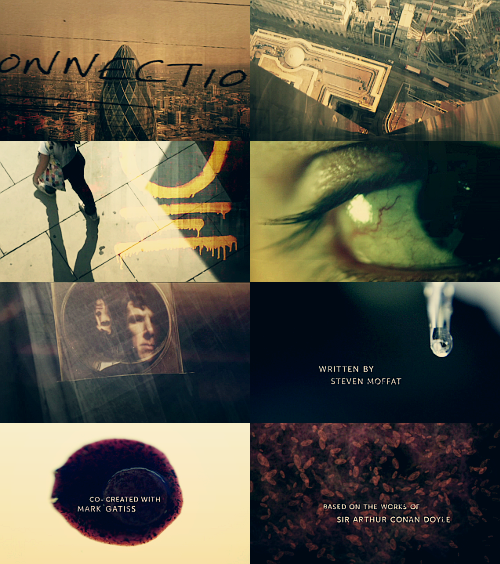 Writing is overlayed with several shots, and other shots are also overlayed. The shots on top are shaky, and this creates an edgy, unstable feel to the show, and hints at some of the characters dispositions.
 Lots of jump cuts, overlapped images and fast paced editing is used in the opening titles, as well as some shots that zoom in quickly and action shots.
For example, there is a pipette with a droplet of water on the end. We see the droplet of water fall, and then it cuts to the droplet falling into a pool of blood. We then zoom in on the blood, and a magnified image is shown of the blood cells.
All of these cuts and shots are edited together to create a fast paced, edgy, urban feel to the opening credits. It sets the pace for the rest of the episode and gives viewers an idea of what the show is all about, what the characters are like; and what the pot lines within the series will contain.
Monday, 15 October 2012
Tony Stonem - Skins
 How is Tony Stonem represented?
A normal teenager would be represented in a different way to how Tony Stonem is represented in Skins. A normal teenager would be viewed as being a partying delinquent, whereas we can see Tony is a tidy, neat and controlled person.
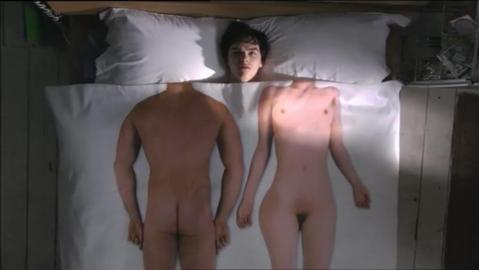
The establishing shot portrays a close up of Tony and we can see he has a hint of a smile because he has woken up before his alarm. The shot then pans out and we can see his duvet cover with the naked man and woman on the front. Tony is lying in the middle, on neither the man or woman side of the cover and this gives us the impression Tony is undecided about his sexuality, like everyone can be at some point in their life or teenager years.
We then see the rest of his room and we can see he is very organised as he has a daily routine of getting up, watching the woman across the street get dressed, working out and then covering for his sister.
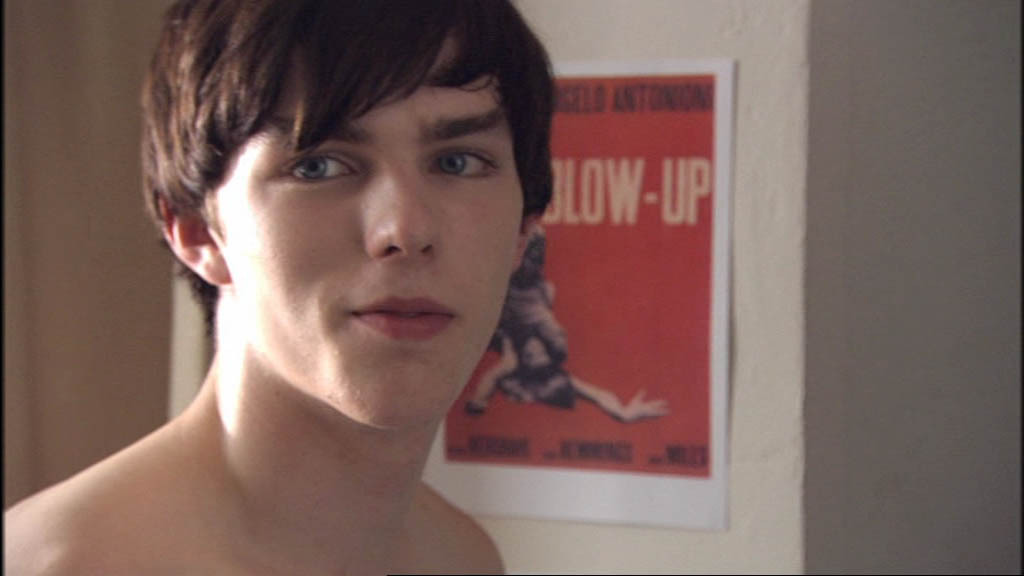 When he is working out a series of jump cuts are used, to show his routine never falters, so they don't have to show the audience all of it. It condenses time and makes the scene more visually exciting for the viewer. The non-diegetic music used in this scene is pulsating and slow, but changes along with the scene.
 When we meet Effy, we immediately see there is a large contrast between the pair - her behaving more like a stereotypical teenager - and him being the more controlling one. A high-angled shot is used to look out of the window at Effy and this makes her look more child-like and vulnerable, and less like a rebellious teenager.
Tony then pretends his CD player has broken, and distracts his dad whilst Effy sneaks in. The diegetic music is louder and faster than the music in the scene before, to show the havoc that he is causing. From the dialogue used, we can see this has happened before because the dad is shouting "not again" at him, as well as things like "you twat".

Tony then winds his dad up by locking the bathroom door and not letting his dad in. This ties in with the typical teenage view, as teenagers like to pull pranks on their parents to annoy them. By displaying this typical behaviour the audience can see he is able to behave like a normal teenager when he needs to be, but this also contrasts with the past thoughts we've had of him.
As he is at the breakfast table his dad is shouting lots of swear words at and about him. As a viewer, i find the amount of swearing Tony's dad does to be quite worrying as it can't be a very nice environment to grow up in.
Sunday, 7 October 2012
Teenagers in TV Dramas
Revenge:
Charlotte Grayson in Revenge has to cope with finding out her real dad was hated by the country for being a "terrorist" even though the audience know he was wrongly accused. She doesn't cope well with the news as she gets addicted to prescription pills. She doesn't get on well with her mother at the beginning of the series as her mother is controlling and wouldn't let Charlotte do what she wanted, so she started rebelling.
 Because the Grayson family is rich Charlotte is normally seen in dresses and ball gowns.
Declan Porter (boyfriend of Charlotte Grayson for several episodes) is protective of his brother and he cares about Charlotte even when they're together. He doesn't have a lot of money and him and his brother run a bar called the 'Stowaway'. Declan has been known to steal lobsters in order to gain more money, but realized he was doing wrong. He usually wears hoodies or t-shirt's with jeans as he works most of the time, although when he attends school he wears uniform.
Glee:
The whole show is based on a High School choir in America and the teenagers within it. It focuses on their lives and how they don't fit in at school, yet find friends and a school family in the Glee Club. The show contains comedy, drama, singing, dancing and teenagers having a good time.
For example, one of the main characters, Rachel grows up through all three seasons and changes they way she looks and behaves.
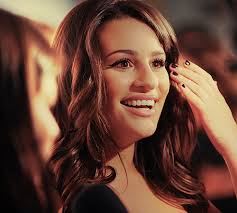 Rachel lives at home with her two gay dads and she has to cope with finding out who her real mother is, battling though signing competitions, boyfriend troubles and her future career. She goes through a phase of wanting a nose job because of what one person said to her, and this shows she is insecure just like everyone else, even though she appears as confident. She is quite a bossy and demanding girl, but starts to accept the fact the world doesn't revolve around her. She becomes a well rounded, fashionable, nice person and gets accepted at NYADA and pursues her Broadway dream.

Ugly Betty:
The main teenage lead in Ugly Betty is the character of Justin Suarez. He has a keen interest in the fashion industry and often helps Betty with her work,as well as loving the performing arts. He is always wearing bold outfits because he wants to express himself through his fashion choices and he came out as gay in the fourth series.
He has to deal with the bullies at his school, the death of his biological dad, as well as other stresses concerning has family and life.
He is very close to his mum Hilda, aunt Betty and Granddad
Ignacio, and causes them little hassle as he is a well behaved person.
Charlotte Grayson in Revenge has to cope with finding out her real dad was hated by the country for being a "terrorist" even though the audience know he was wrongly accused. She doesn't cope well with the news as she gets addicted to prescription pills. She doesn't get on well with her mother at the beginning of the series as her mother is controlling and wouldn't let Charlotte do what she wanted, so she started rebelling.

Declan Porter (boyfriend of Charlotte Grayson for several episodes) is protective of his brother and he cares about Charlotte even when they're together. He doesn't have a lot of money and him and his brother run a bar called the 'Stowaway'. Declan has been known to steal lobsters in order to gain more money, but realized he was doing wrong. He usually wears hoodies or t-shirt's with jeans as he works most of the time, although when he attends school he wears uniform.
Glee:
The whole show is based on a High School choir in America and the teenagers within it. It focuses on their lives and how they don't fit in at school, yet find friends and a school family in the Glee Club. The show contains comedy, drama, singing, dancing and teenagers having a good time.
For example, one of the main characters, Rachel grows up through all three seasons and changes they way she looks and behaves.
"Rachel somehow manages to dress like a grandmother and a toddler at the same time." - Kurt (about Rachel) - 01x11
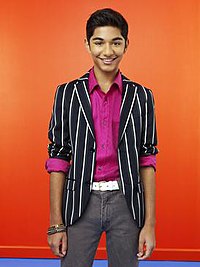
Ugly Betty:
The main teenage lead in Ugly Betty is the character of Justin Suarez. He has a keen interest in the fashion industry and often helps Betty with her work,as well as loving the performing arts. He is always wearing bold outfits because he wants to express himself through his fashion choices and he came out as gay in the fourth series.
He has to deal with the bullies at his school, the death of his biological dad, as well as other stresses concerning has family and life.
He is very close to his mum Hilda, aunt Betty and Granddad
Ignacio, and causes them little hassle as he is a well behaved person.
Sunday, 23 September 2012
American Beauty // Lester Burnham
Todorov's narrative structure
Equilibrium
At the beginning of American Beauty, the normal 'household' contains fighting, unhappy family members and a dysfunctional marriage. The main characters Carolyn, Lester and Jane are having family problems as both women think Lester is a loser and not good for anything. Lester himself is having to face losing his job and he also has no male dominance in the house.
Disruption (disequilibrium)
Lester starts to lust after Jane's friend Angela and fantasizes about sleeping with her. New next-door neighbors move in and the son of the family, Ricky, is seen as a freak as he videos everything because he thinks it's 'beautiful'. Ricky's dad is a homophobic, military based man who drilled discipline into Rickey's mind by putting him in a metal hospital.
Recognition of disruption

Jane finds out Lester wants to sleep with Angela and Jane warns Angela not to sleep with him because is her dad and he's a loser. Jane finds out more about Ricky and see's that he isn't as weird as she first thought, and she finds befriends him. Ricky is accused of being gay by his dad.
Attempt to repair disruption
To get away from his controlling dad, Ricky says he is in fact gay and his dad throws him out of the house. Ricky then asks Jane to run away to New York with him and she says yes. Lester chooses not to have sex with Angela as she is a virgin and then asks about how Jane is doing, because he cares about his daughter. We also find out Ricky's dad is gay and that's why he is so homophobic; he's hiding a secret that is released when he tries to kiss Lester.
New Equilibrium
After being rejected by Lester, Ricky's dad shoots him and the family is forced to live in a world without Lester. The old equilibrium isn't restored as Lester is dead, but the film ends so we can't see how the other characters cope with the loss.
Lester Burnham
Lester Burnham is the male role lead in American Beauty and despises life at the beginning of the film.
 He is seen as the victim in this film as everyone hates him, but he's just trying to get on with life and do the best he can. We feel sorry for him as he is sexually frustrated, seen as lazy at work and his daughter plans to kill him in the establishing shot. It seems the only thing he enjoys in life is getting high, until he meets his daughters friend, Angela and starts to fantasize about her. This represents him as a slightly deranged man, but desperate for love and intimacy.
In the end we feel sorry for him, as he is shot by his next-door neighbour because he rejected him, due to the fact he wasn't gay.
Equilibrium
At the beginning of American Beauty, the normal 'household' contains fighting, unhappy family members and a dysfunctional marriage. The main characters Carolyn, Lester and Jane are having family problems as both women think Lester is a loser and not good for anything. Lester himself is having to face losing his job and he also has no male dominance in the house.
Disruption (disequilibrium)
Lester starts to lust after Jane's friend Angela and fantasizes about sleeping with her. New next-door neighbors move in and the son of the family, Ricky, is seen as a freak as he videos everything because he thinks it's 'beautiful'. Ricky's dad is a homophobic, military based man who drilled discipline into Rickey's mind by putting him in a metal hospital.
Recognition of disruption

Jane finds out Lester wants to sleep with Angela and Jane warns Angela not to sleep with him because is her dad and he's a loser. Jane finds out more about Ricky and see's that he isn't as weird as she first thought, and she finds befriends him. Ricky is accused of being gay by his dad.
Attempt to repair disruption
To get away from his controlling dad, Ricky says he is in fact gay and his dad throws him out of the house. Ricky then asks Jane to run away to New York with him and she says yes. Lester chooses not to have sex with Angela as she is a virgin and then asks about how Jane is doing, because he cares about his daughter. We also find out Ricky's dad is gay and that's why he is so homophobic; he's hiding a secret that is released when he tries to kiss Lester.
New Equilibrium
After being rejected by Lester, Ricky's dad shoots him and the family is forced to live in a world without Lester. The old equilibrium isn't restored as Lester is dead, but the film ends so we can't see how the other characters cope with the loss.
Lester Burnham
Lester Burnham is the male role lead in American Beauty and despises life at the beginning of the film.
He is seen as a loser by his wife and daughter, and we can see he feels trapped in his body and life, due to his actions and the things he says.
In this film he is represented as a middle aged man in difficult circumstances who is passive aggressive and then finds his voice.
 He is seen as the victim in this film as everyone hates him, but he's just trying to get on with life and do the best he can. We feel sorry for him as he is sexually frustrated, seen as lazy at work and his daughter plans to kill him in the establishing shot. It seems the only thing he enjoys in life is getting high, until he meets his daughters friend, Angela and starts to fantasize about her. This represents him as a slightly deranged man, but desperate for love and intimacy.
 In the end we feel sorry for him, as he is shot by his next-door neighbour because he rejected him, due to the fact he wasn't gay.
Sunday, 9 September 2012
Good Cop
The character of Sav is first introduced to the audience at the beginning of the episode when he is walking down the dimly lit street. The surroundings are dark in the establishing shot and there is a faint orange glow from street lights which hints at a light/dark contrast within the character. It is also raining which adds to the dark, miserable atmosphere of the scene and gives the impression that Sav could be quite a negative person.
He is then seen in his room with blood on his hands and a gun on his bed which makes it look like he has committed a crime and possibly shot someone. We begin to question his mental state as he rushes around frantically trying to clean everything up. He also has ripped wallpaper that could have been placed there to represent the way the character behaves and feels.
When he meets Cassie and Libby on the beach we see a different side to him, like the contrast in the street lighting suggests. We can see he has had some previous history with the woman as he is interested in what she has to say, even though she is quite rude towards him. He keeps calm and looks upset when she walks away, which suggests he might have feelings for her. This scene represents him as a man who has made mistakes but feels bad about how things have turned out.
Sav seems like a concerned member of the public as he goes to check she is okay, only to find the man in the toilets harassing her. We then find out Sav is actually a police officer and his badge represents the law and being a good person, so we start to think the gun and blood are all tied into his job.
He seems genuinely concerned for the Waitress' well-being and this shows he is a nice person who is good at his job. Instead of rising to the mans threats and taunts he says "have a nice day sir" and this shows us he is smart and thinks about his actions. Although, this then makes us think about why he was so panicked in the opening scene.
The relationship between Sav and Andy seems like a friendly one as they makes jokes and laugh with each other when they are in the cafe/diner. When he is at work in the locker rooms, he seems to have a good relationship with his co-workers as he tells them about his meeting with Cassie on the beach. They seem to know about his situation so that makes us think they are friends. In the locker scene Sav is represented as a caring, friendly person which makes us like him more.
When dealing with the Victims and the dead baby he uses hushed voices to be considerate and doesn't know how to react because it's a terrible tragedy. He doesn't know how the baby died so he doesn't accuse anyone and tries to be rational in the situation whilst Andy, his partner, is a little bit more shocked. Sav talks to the brother of the dead baby and is represented as a helpful police officer who is just doing his job and making them feel more relaxed and less hysterical.
He is then seen in his room with blood on his hands and a gun on his bed which makes it look like he has committed a crime and possibly shot someone. We begin to question his mental state as he rushes around frantically trying to clean everything up. He also has ripped wallpaper that could have been placed there to represent the way the character behaves and feels.
When he meets Cassie and Libby on the beach we see a different side to him, like the contrast in the street lighting suggests. We can see he has had some previous history with the woman as he is interested in what she has to say, even though she is quite rude towards him. He keeps calm and looks upset when she walks away, which suggests he might have feelings for her. This scene represents him as a man who has made mistakes but feels bad about how things have turned out.
Sav seems like a concerned member of the public as he goes to check she is okay, only to find the man in the toilets harassing her. We then find out Sav is actually a police officer and his badge represents the law and being a good person, so we start to think the gun and blood are all tied into his job.
He seems genuinely concerned for the Waitress' well-being and this shows he is a nice person who is good at his job. Instead of rising to the mans threats and taunts he says "have a nice day sir" and this shows us he is smart and thinks about his actions. Although, this then makes us think about why he was so panicked in the opening scene.
The relationship between Sav and Andy seems like a friendly one as they makes jokes and laugh with each other when they are in the cafe/diner. When he is at work in the locker rooms, he seems to have a good relationship with his co-workers as he tells them about his meeting with Cassie on the beach. They seem to know about his situation so that makes us think they are friends. In the locker scene Sav is represented as a caring, friendly person which makes us like him more.
When dealing with the Victims and the dead baby he uses hushed voices to be considerate and doesn't know how to react because it's a terrible tragedy. He doesn't know how the baby died so he doesn't accuse anyone and tries to be rational in the situation whilst Andy, his partner, is a little bit more shocked. Sav talks to the brother of the dead baby and is represented as a helpful police officer who is just doing his job and making them feel more relaxed and less hysterical.
Subscribe to:
Posts (Atom)