
Sunday, 16 December 2012

UNIVERSAL STUDIOS/ PRODUCTIONS
- Universal Studios (also known as Universal Pictures), is an American motion picture studio, owned by Comcast, and one of the six major movie studios. It is one of the longest-lived motion picture studios to be located outside of Hollywood.

- Founded in 1912 by Carl Laemmle, Mark Dintenfass, Charles Baumann, Adam Kessel, Pat Powers, William Swanson, David Horsley, and Jules Brulatour, it is the oldest movie studio in the United States of America.
- The company also owns and distributes the libraries of: Five Alfred Hitchcock features originally released by Paramount, Walter Lantz Productions, Smallfilms, Focus Features' ancestors USA Films, October Films, and the 1996–1999 films by PolyGram Filmed Entertainment.

- Through subsidiary NBCUniversal Television Distribution, it owns almost all TV shows and miniseries Universal and MCA made, Almost all the pre-1950 sound features originally made by Paramount Pictures,Much of the post-1973 library of NBC's shows and made-for-TV movies.
- Via its 50% stake in StudioCanal, Universal part owns its library which consists of films (and TV Series) made by: Carolco Pictures (apart from films distributed by MGM, Warner Brothers and Universal itself), De Laurentiis Entertainment Group, Embassy Pictures (apart from films made with Polygram Filmed Entertainment, Columbia Pictures, ITC and Nepenthe Productions, along with all its television library), Alexander Salkind Productions (except films that are part of the Superman Film Series), Ealing Studios (incorporating the film library of Associated Talking Pictures), EMI Films (incorporating the film libraries of Associated British Picture Corporation, British International Pictures and British National Studios), Associated British Corporation (ABC) (including ABC shows made for Thames Television), British Lion Films (1919-1976 films only) and Anglo-Amalgamated.However Universal only owns rights to distribute the StudioCanal library in Australia, New Zealand and other areas outside North America, with StudioCanal itself distributing it in UK, Ireland, France and Germany.
Theatrical and Television Distribution:
- CBS Television Studios and Paramount Pictures (Carolco Pictures and De Laurentiis Entertainment Group)
- MGM (Embassy Pictures)
- Lionsgate (Alexander Salkind Productions, Ealing Studios, EMI Films, ABC, British Lion Films and Anglo-Amalgamated)

- Lionsgate (Embassy Pictures, Carolco Pictures, De Laurentiis Entertainment Group, Alexander Salkind Productions, Ealing Studios, EMI Films, ABC, British Lion Films and Anglo-Amalgamated)
- MGM (Embassy Pictures)
- Lionsgate (Carolco Pictures, De Laurentiis Entertainment Group, Alexander Salkind Productions, Ealing Studios, EMI Films, ABC, British Lion Films and Anglo-Amalgamate.
- Some of their most recent film distributions include Snow White and the Huntsman, Ted, The Bourne Legacy and Pitch Perfect.
- Website: http://www.universalpictures.com/
- Website: http://www.universalstudios.com/
- Albert Dorskind had envisioned a theme park and film studio in Hollywood, California. He convinced Lew Wasserman, the Chairman of the MCA, to invest $4-million in developing this particular theme that focused on Universal Motion Pictures. After numerous improvements, a branch of Universal Studios opened in Los Angeles County, California in 1964. The entertainment value it brought to the city gave an up rise to its slogan "The Entertainment Capital of LA." Since it embodies a film studio theme park, there are a lot of motion picture themes incorporated. Some films include Shrek in 4-D and Terminator 2 in 3-D. Themes from movies and television shows are integrated into the rides like The Simpsons Ride, Jurassic Park The Ride, and Revenge of the Mummy - The Ride. In April 2012, the highly anticipated Transformers: The Ride-3D was opened to the public in the theme park and is based on the hit film series Transformers.The theme park has live shows including The Special Effects Stage and Water World. It also has a carnival fun house called House of Horrors and most importantly, a studio tour that shows clips of popular movies like Jaws, Fast and the Furious, King Kong 3-D. Universal Studios Hollywood has a CityWalk which offers visitors numerous dining and shopping places

WARP FILMS
- Warp Films was established by Warp Records founding partners Rob Mitchell and Steve Beckett. It was initially created with financial support from NESTA ( National Endowment for Science, Technology and the Arts) and had a remit to produce a number of short films

- After the death of Rob Mitchell in 2001, Beckett decided to continue with Warp Films and enlisted the expertise of Sheffield friend Mark Herbert to run the company.
- The first film, Chris Morris' My Wrongs#8245-8249 & 117, was shot in 2002. It won the award for Best Short Film at the 2003 BAFTA Film Awards and became the first short film DVD single in the UK market.

- Warp Films breakout success came with Shane Meadows’ This Is England, the story of Shaun, a boy who is adopted by a local skinhead gang after his father is killed in the Falklands war. Since its release in early 2007 it has gained many awards including the Best Film at the British Independent Films Awards, the Special Jury Prize at the Rome Film Festival and Best British Film at the BAFTAs. At the same ceremony, Warp Films received its third BAFTA as Paddy Considine’s directorial debut Dog Altogether won the Best Short Film award
- Three months after This Is England was released in cinemas, Warp's third feature film, Grow Your Own, was released by Pathe. The film was Warp's first collaboration with BBC Films. The film was directed by Richard Laxton and written by Frank Cottrell Boyce and Carl Hunter, developed from stories Carl had uncovered in his documentary work about the travails of immigrants. Produced by Barry Ryan for Warp Films, Luke Alkin for BBC Films and Carl Hunter for Art in Action.
- Warp X was formally set up as Warp Xin 2005 as a low-budget digital ‘studio’ to develop and produce films with focus on new talent and commercial potential.
- In 2010, Warp Films produced Chris Morris’ debut feature Four Lions, a satirical comedy drama following a group of homegrown Islamic terrorists from Sheffield, England. The film was a critical and box office success, achieving impressive numbers at the box office on its opening weekend, generating the highest site average of all the new releases (£5,292) and making a total of £609,000. As of 8 August 2010, Four Lions grossed £2,932,366 at the UK box office. The film was nominated for two BAFTA awards; it won the ‘Outstanding Debut by a British Writer, Director, or Producer’ BAFTA award for Chris Morris.
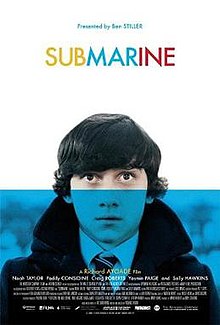
- During Richard Ayoade’s debut feature Submarine starring Noah Taylor, Sally Hawkins and Paddy Considine premiered at the Toronto International Film Festival in 2010, and was released in the UK during March 2011 by Optimum Releasing. It was distributed in the US by The Weinstein Company. The film was met with high critical acclaim, and featured original songs by Arctic Monkeys front man Alex Turner, in his first effort as a solo artist. Submarine has won many awards worldwide, including the Best Screenplay award at the 2011 British Independent Film Awards. Richard Ayoade was nominated for a BAFTA for Outstanding Debut by a British Writer, Director or Producer at the 65th British Academy Film Awards.
- Warp Films 2010 television production for Channel 4, Shane Meadows' This Is England '86, was a continuation from the 2006 film. It aired over four weekly episodes and received numerous plaudits, including a BAFTA award for leading actress Vicky McClure. It achieved record viewing figures for Channel 4
- Warp X production Kill List was released in the UK on 28 August 2011. Directed by Ben Wheatley, It has gone on to win several awards internationally, including a British Independent Film Award for supporting actor Michael Smiley. Kill List has received strong critical acclaim, with Total Film declaring it ‘Outstanding’ and giving a 5 star rating.
- Warp Films / Warp X productions, Tyrannosaur, Kill List and Submarine were nominated for a total of 18 awards at the 2011 British Independent Film Awards.
- Other notable productions: The Midnight Beast on E4 and The Minor Character on Sky (featuring David Tennant)
Cranford Essay
Class and status within this clip is clear to see, because of the contrast between characters, what they wear, and which location they belong in.
It is easiest to see within the Mise En Scene as the clothing of the characters differs depending on their class. Harry, a lower class child, is wearing scruffy clothes, and when a two shot between him and Mr Carter occurs, their outfits juxtapose due to the rich, formal outfit of the higher class sir.
Low key lighting is used at the beginning of the clip around Harry, to emphasize his unhappy state, due to the fact they are poor. The contrast between the shack and the manor is shown through the master shots; the shack covered with foliage versus the manor surrounded by by space to show its size. The interior of the shack is bare and the dialogue is the focus, not the interior , whereas in the office, the master shot emphasizes its status.
Harry looks onto the house through the trees, as the house is shrouded by branches. This shows he isn't supposed to be there due to the fact he doesn't fit in with the location, as he belongs in the small, dark, broken shack. When Harry sneaks up to the greenhouse, a shot from inside the greenhouse is used to show he is looking in. This reverse style shot is used to show he is an outsider and doesn't belong inside the wealthy establishment.
There is also a contrast between Harry's mother and the Ladies of the Manor who sit in horse and carriages. Harry's mother barely says a word whereas the ladies in carriages are quite vocal and loud with laughter and happiness. This gives the impression that people of a lower class are generally unhappier due to the fact they don't have a satisfying life; whereas richer people enjoy life because they are wealthy and of a higher social status.
Sound is also key in this clip as the dialogue also represents the divide between lower and higher classes. 'Appy birthday 'Arry' shows the informality and lack of pronunciation within the lower class father's speech, indicating lack of education and schooling. Whereas the well spoken Lady of the Manor indicates wealthier people tend to speak in a posh way in comparison to the lower class characters. A diegetic door squeak is also heard, which shows the poor conditions they live in, and they don't have any money to fix the door or make their house more homely. The diegetic rustling and bird sounds add the the fact they live in a secluded area, symbolizing the fact they are the only poor characters around, as the Manor is full of posh, well respected people.
No non-diegetic music is played when we are inside the poorer household, to focus on the dialogue and action of the characters. It also creates a sad, depressing atmosphere as it is paralleled to the dark, low-key lighting of the scene. However, when we are inside the greenhouse with Harry, exotic and high-pitched music is heard to show how unusual it is for him to be there, as it isn't his natural scenery. The non-diegetic music then continues to be happy when the marquee is being assembled, and this indicates Harry is happier having a job for a well respected household.
Throughout the clip, Harry looks up to everyone and low-angled camera shots are used to show what little status he has is the world. High-angled shots are used when focusing on Harry's father, as in the household he has the power. Shot/reverse shots are used during their conversation to emphasize what they are saying and their reactions to the topic of the conversation.
When Harry is in the Office, different levels are used to show the difference in status, as Harry is sat in the chair and Mr Carter is stood up, towering over him; although not in a condescending way as the audience gets the impression he feels sorry of the boy, as he gives him bread and a drink.
Cranford - Class and Status
 Mise en scene:
Harry
scruffy clothes
dark small house
bare feet
low key lighting
scruffy clothes
dark small house
bare feet
low key lighting
Mr Carter
expensive boots
cane
nice office
Lady of manor
white extravagant dress

Ladies in carriages
curled hair, expensive dresses
Man on horse
ladies all cooing to him
top hat
people have heard of himrespectable
top hat
people have heard of himrespectable
The mise-en-scene in this clip reveals a contrast between rich and poor people. The poor people are seen to be living in the forest and wear dark, scruffy clothes. In contrast to this, the rich are dressed in higher class clothing. Focusing on Harry and the older man, he is shown to be a lower-class boy with little knowledge and no formal schooling. The dark, dingy lighting juxtaposes with the older man, who has clean and sophisticated clothes. The older man, Mr Carter, pays the boy and as the boy eats the bread in the office, he is seen to be sympathetic towards Harry.
Sound:
birds and rustling in the woods
poor family live out of the way
dialogue 'Appy birthday 'Arry' indicates non RP speech
door squeaks = run down cottage
heavy depressing music
music when dad rises indicated he hold the power
when no dialogue, indicates depressing
music when boy giddy= emotional
music when dad rises indicated he hold the power
when no dialogue, indicates depressing
music when boy giddy= emotional
horses and well spoken Lady of the manor indicate wealth
music upbeat when work commences on marquee
When we are first introduced to Harry, non-diegetic sound is heavy and depressing, this represents the class of the boy, showing that he does not have a happy or fulfilling life at this young age. The door squeaking when he arrives home indicates that his family do not have a wealthy lifestyle.
When the boy enters the greenhouse, the music is of a higher pitch which could indicate the higher status of the owners of the greenhouse.
The viewer is then introduced to the sound of heavy footsteps giving us the impression that someone of higher status is approaching and this creates tension.
Camera:
When we are first introduced to Harry, non-diegetic sound is heavy and depressing, this represents the class of the boy, showing that he does not have a happy or fulfilling life at this young age. The door squeaking when he arrives home indicates that his family do not have a wealthy lifestyle.
When the boy enters the greenhouse, the music is of a higher pitch which could indicate the higher status of the owners of the greenhouse.
The viewer is then introduced to the sound of heavy footsteps giving us the impression that someone of higher status is approaching and this creates tension.
Camera:
can't see the house in full view, hidden by trees shows Harry shouldn't be there
camera moves with and focuses on Harry, shows he's important,
over the shoulder shot of father telling Harry off
camera shows Harry looking up to all characters
mid/long shot of cramped room
zooms in on boots, showing how grateful he is for them
mid shot of Harry alone in dark
house is surrounded by leaves and shot through the window shows he is an outsider
Mr Carter's boots juxtapose with Harry shoes
two shot shows the differences between the two
high angle of Mr Carter shows his status
Lady on steps = status
master shot of doctor on horse implies he is important
In this clip, the camera angles show class and status in a variety of ways. The juxtaposition of the shack and the manor is shown through the master shots; the shack covered with foliage versus the manor surrounded by by space to show its size. The interior of the shack is bare and the dialogue is the focus, not the interior , whereas in the office, the master shot emphasizes its status. A two shot of the pair shows the clear differences in class and status. The camera follows the work of the outdoor workers to show manual labour compared to the lords and ladies in the carriages who are doing nothing to prepare for the event.
Editing:
The editing in this clip is continuity editing to create a sense of realism. The conversation between Harry and his father is carried out using shot reverse shots which illustrates the father's harsh reaction to his son wanting to learn.
The cutting between the shack, the greenhouse and the manor activities reveals how the class of the characters is closely connected to the locations where they live or work. Many uses of eyeline match and point of view shots are used when the focus in on Harry, indicating that he likes the boots and longs for the bunch of grapes but restrains himself; he is accustomed at the young age of ten to accept disappointment.
Wednesday, 5 December 2012
Sexuality
Is the sexuality of the characters easily identifiable?
We can see that Maude is constantly staring and the other woman, and we can see she has feelings other than friendship towards her. At the beginning of th clip the two girls are standing, facing the mirror and Maude is stood in the background, half hidden by the other girl, this shows she can't show her feelings, but seeing the reflection of her and the other girl in the mirror is something she desires as they are together. When she is painting the other woman asleep, the camera zooms in on her face and expressions, then cuts to show us what she is looking at; her breasts. This leads us to believe; Maude is a lesbian who has to hide her feelings as they are not seen as 'right' in society. At the beginning of the clip the two girls are standing, facing the mirror and Maude is stood in the background, half hidden by the other girl, this shows she can't show her feelings, but seeing the reflection of her and the other girl in the mirror is something she desires as they are together. It is unsure whether the other girl returns the feelings for her also, as the camera never shows us her thoughts of feelings as the protagonist is Maude. Also, towards the end of the clip, there is a scene in which the other girl is undressing and it I in slow motion to emphasize the action and make it more seductive. The camera then cuts to the lesbians face to show she is watching.
Because this clip focuses on Maude's feelings for the other girl it leads us to believe that the feelings she has consumes her and takes up most of her life. We also hear her talking in the non-diegetic voice over and this allows us to see her thoughts as they can’t she can’t be open in society. A sound bridge of the voiceover is also used to show the clip is centred on her because this is her life. When she is painting the girl and the paint drips, it shows the lack of control she has over her feelings and the fact it is beginning to affect her life. Red also has connotations of love, as well as danger, so these feelings could begin to shape and define her life and who she is.
We can see that Maude is constantly staring and the other woman, and we can see she has feelings other than friendship towards her. At the beginning of th clip the two girls are standing, facing the mirror and Maude is stood in the background, half hidden by the other girl, this shows she can't show her feelings, but seeing the reflection of her and the other girl in the mirror is something she desires as they are together. When she is painting the other woman asleep, the camera zooms in on her face and expressions, then cuts to show us what she is looking at; her breasts. This leads us to believe; Maude is a lesbian who has to hide her feelings as they are not seen as 'right' in society. At the beginning of the clip the two girls are standing, facing the mirror and Maude is stood in the background, half hidden by the other girl, this shows she can't show her feelings, but seeing the reflection of her and the other girl in the mirror is something she desires as they are together. It is unsure whether the other girl returns the feelings for her also, as the camera never shows us her thoughts of feelings as the protagonist is Maude. Also, towards the end of the clip, there is a scene in which the other girl is undressing and it I in slow motion to emphasize the action and make it more seductive. The camera then cuts to the lesbians face to show she is watching.
Because this clip focuses on Maude's feelings for the other girl it leads us to believe that the feelings she has consumes her and takes up most of her life. We also hear her talking in the non-diegetic voice over and this allows us to see her thoughts as they can’t she can’t be open in society. A sound bridge of the voiceover is also used to show the clip is centred on her because this is her life. When she is painting the girl and the paint drips, it shows the lack of control she has over her feelings and the fact it is beginning to affect her life. Red also has connotations of love, as well as danger, so these feelings could begin to shape and define her life and who she is.
Are particular sexualities seen as more powerful, better, normal? If so, how?
In this clip, as it is set in the past, we see that it is not seen as normal for girls to have feelings for other girls, as it isn’t seen as the normal way to fall in love. The man in this clip is adamant that Maude should marry him as the other girl “must think we’re in love with on another” as this is a conventional relationship, that somehow benefits them both, although we don’t find out why as it doesn’t explain this is the clip.
What message is the clip aiming to portray about sexuality?
In this clip, i think sexuality is meant to be portrayed as something you can't control, as well as something people have to hide because of their circumstances and situations. For example, when the man puts his hand over Maude's mouth to keep her from shouting out, this could also represent the fact he doesn’t want Maude to tell the girl she loves her, as it could ruin things or have a bad outcome, so instead he proposes a cover up marriage.
Is the time/ era / context of the clip important or relevant when considering attitudes towards sexuality?
We can see the context of the clip is around the Victorian era, as the women wear old fashioned dresses and hairstyles that we would only find in that time period. Throughout the clip we hear non-diegetic paralleled classical music that enhances the feeling of being in the past along with the setting of the TV show. These contribute to the fact that different sexualities, other than straight, were seen as unusual and wrong because of the society and way people were expected to behave.
Saturday, 1 December 2012
Sexuality in Torchwood
In this scene, Jack asks Ianto out for dinner, although at the beginning of we are not sure that Ianto is actually gay. Despite Jack's flirting and use of words to describe the office (such as "exotic" and "i always get excited in these places"), Ianto changes the subject to avoid talking about the office and this makes us think he might not want to talk about it because it makes him uncomfortable as Jack is gay. However, when Jack asks him to Dinner and a Movie we see Ianto say yes, showing he is in fact gay.
In this clip there is some debate as to whether Jack is gay, as this is when he meets everyone for the first time. His sexuality is unknown, but comments are made about his clothing which leads us to believe he isn't straight. However, because Gwen and the other woman argue that he isn't gay, we see he could be a flirtatious person or he could be confused about his sexuality; especially the line "He'll shag anything if it's gorgeous enough".
Captain Jack; The flirt.
Subscribe to:
Posts (Atom)